

Mastering Advanced Culinary Methods + Molecular Gastronomy
Welcome to the exciting world of advanced culinary techniques and molecular gastronomy! In this article, we will explore the fascinating realm of modern gastronomy, where science meets art to create innovative and stunning dishes that push the boundaries of traditional cooking.
What is Molecular Gastronomy?
Molecular gastronomy is a culinary discipline that investigates the physical and chemical transformations of ingredients during cooking. It involves the application of scientific principles and techniques to create new textures, flavors, and presentations in food.
Key Techniques in Molecular Gastronomy
- Spherification: The process of shaping liquids into spheres using sodium alginate and calcium chloride.
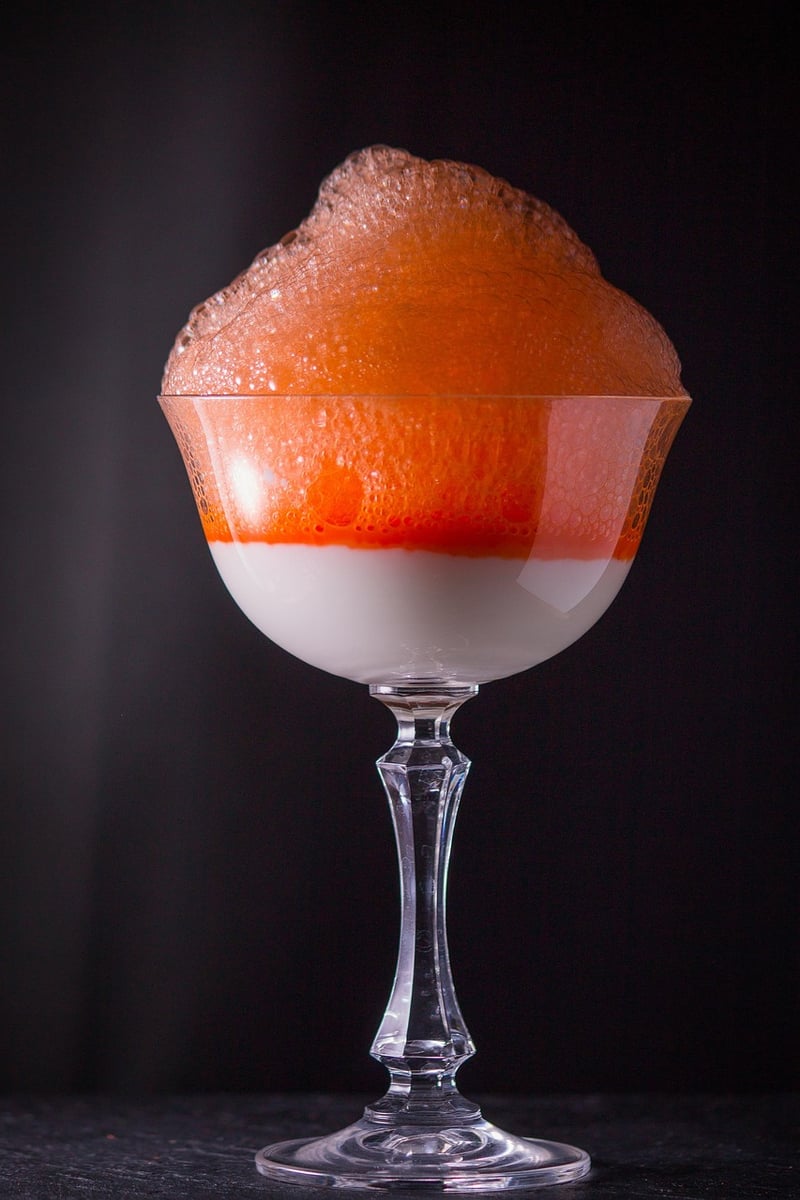
- Foams: Creating light and airy foams from various liquids using tools like a siphon.
- Gelification: Transforming liquids into gels using gelling agents like agar-agar or gelatin.
- Sous Vide: Cooking food in a vacuum-sealed bag at precise temperatures to achieve perfect doneness.
- Emulsification: Combining ingredients that don't normally mix to create stable emulsions like mayonnaise.
Benefits of Mastering Molecular Gastronomy
By mastering molecular gastronomy techniques, chefs can:
- Unlock new creative possibilities in the kitchen.
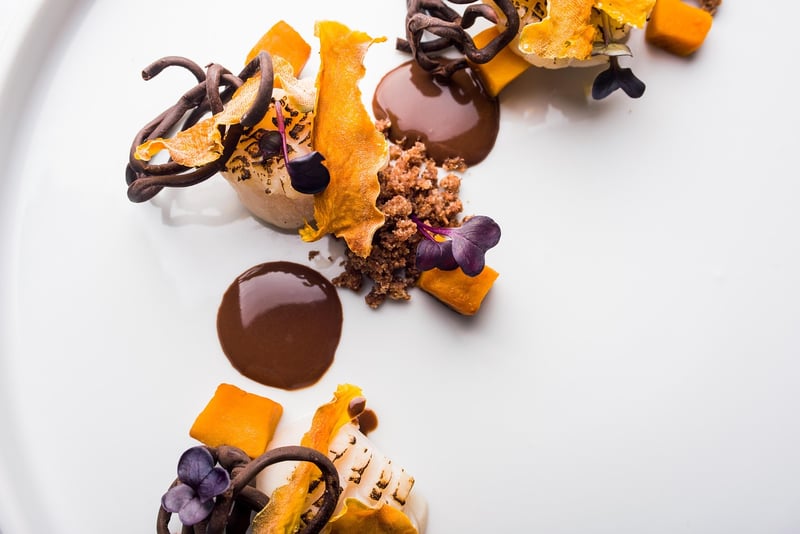
- Enhance the dining experience with visually stunning dishes.
- Experiment with flavors and textures to create unique culinary creations.
- Push the boundaries of traditional cooking and inspire culinary innovation.
Get Started with Molecular Gastronomy
If you're ready to embark on your molecular gastronomy journey, explore online resources, attend workshops, and experiment in your own kitchen. Remember, practice makes perfect, so don't be afraid to try new techniques and unleash your creativity!
Are you ready to elevate your culinary skills and dive into the world of molecular gastronomy? Get inspired, experiment, and let your creativity soar in the kitchen!
Happy cooking!